

Written on February 16, 2026
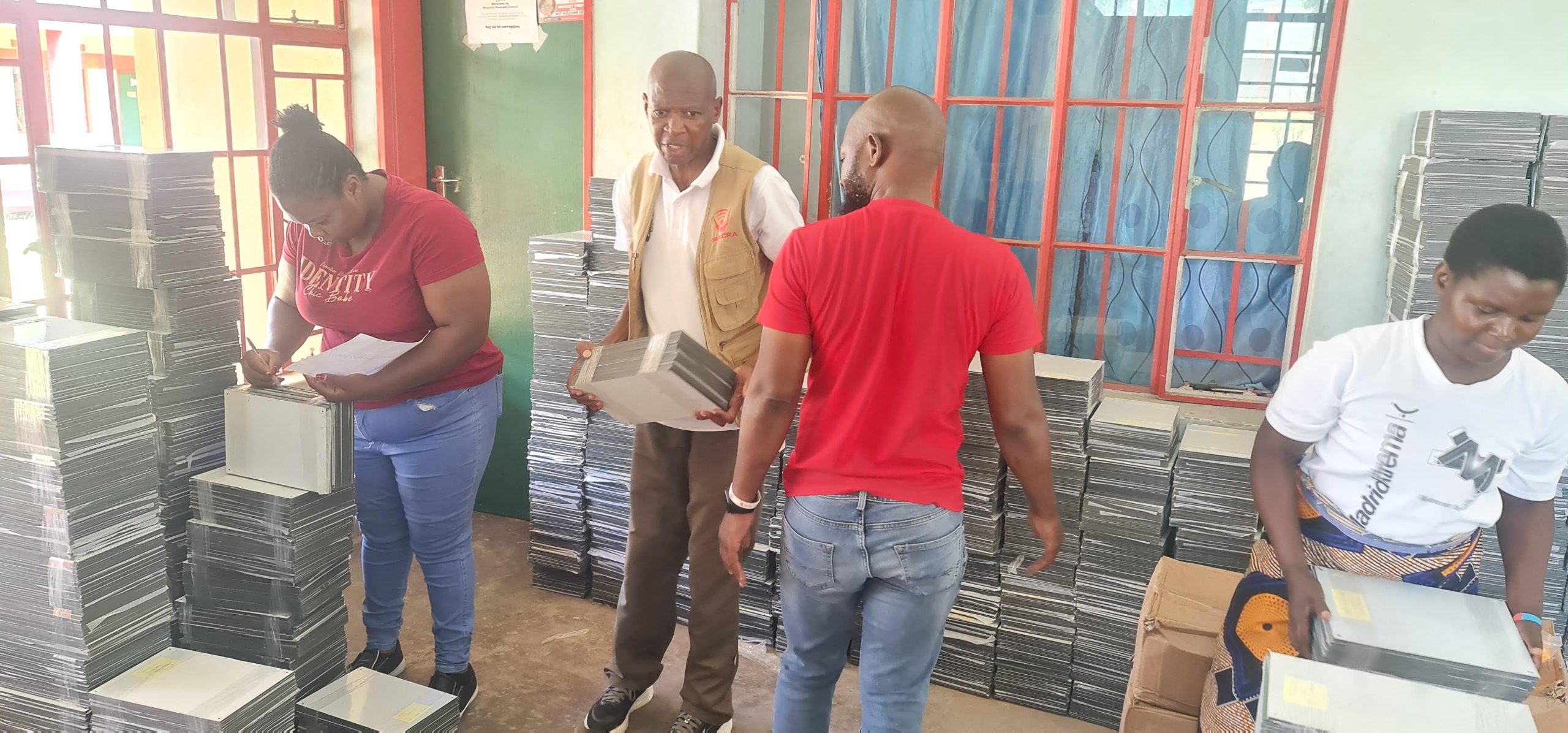
House number plate installation to commence soon in selected areas
Written on February 16, 2026

MACRA is set to install house number plates in 13 councils across the country, as part of the
implementation of the National Addressing System (NAS).
According to the Acting Director of Postal Services Directorate, Mr. Burnet Namacha,
Installation of number plates will begin immediately after the identification of local contractors
to undertake the works. It is anticipated that this activity will be completed by 31 March 2026.
The exercise is being conducted in collaboration with Geographic Information System (GIS)
experts who are part of the NAS implementation and the council’s personnel to create a
standardized, organized addressing system.
The numbering of every house and property follows the naming of all streets in the selected
areas.

The areas targeted include: Blantyre (Lunzu), Luchenza, Mangochi Municipality, Salima, Dedza,
Kasungu Municipality, Lilongwe (Nanjiri and Njewa), Mchinji, Chitipa, Karonga, Rumphi,
Mzimba, and Nkhatabay.
The Government of Malawi, through MACRA, is implementing NAS, a multi-stakeholder-
driven national initiative, with the primary objective of developing a robust physical addressing
system in the country.
Related Articles

task force on mobile fraud prevention call for collaboration

The Mobile Money Fraud Prevention Task Force has called on industry players to collaborate efforts to deal with mobile money fraud to safeguard recent gains. Chairperson of the Task Force, Khumbo Phiri, says working together is the only effective way to conquer the...

Street naming exercise underway in some district councils

The Authority has rolled out a street naming exercise in the four cities of Blantyre, Zomba,Lilongwe, and Mzuzu under the National Addressing System (NAS).Street naming exercise is undertaken after the streets have been digitized, whereby data isconverted into a...

[ays_poll id=3]Generally Spectrum Management aims at;

  1. Providing access to basic communication services to all Malawians through the use of available technologies i.e. wireless.
  2. Ensuring effective utilization with equitable access.
  3. Accommodating future needs and requirements by careful planning
  4. Harmonizing national and regional best practices with international trends
  5. Enhancing socio-economic growth of Malawi through better spectrum pricing

MACRA is putting in place spectrum management policies that must are flexible and responsive to the needs of the market, recognizing that each class of spectrum user has different requirements. For example, promoting the use spectrum -efficient technologies, such as narrow band transmission, trunking between cells with high mutual traffic loads and digital signaling, can sometimes relieve crowding in the mobile radio frequencies thereby addressing the challenges in the way the radio frequency spectrum is managed.

Principles of Assignment

Depending on the type of service to be licensed, frequencies shall be assigned based on “first-come, first-served” basis so long as frequencies are available and that the licensing requirements are satisfied. When spectrum shortage is anticipated or when specific government goals are being pursued to foster competition in a particular business sub-sector or for other specific reasons, this approach may be dropped and selection procedures adopted to ensure that spectrum is efficiently and effectively utilized. In situations of spectrum shortages, preference will also be given to those providing greater public benefits, the spectrum utilization and overall efficiency irrespective of date of receipt of the applications concerned.
Other assignment types that can be followed include Spectrum Auction, Beauty Contest, Spectrum Trading e.t.c.

Spectrum Pricing
A full table of prices applicable to terrestrial spectrum services is made available.
All users of frequencies shall be required to pay a fee, including Government Agencies or departments except those that are exempt from paying the applicable fees. The fees paid upon registration shall be renewable annually at a rate to be specified under the licence conditions. The price charged for the spectrum assigned will among other factors be dependent on such factors as size, level of competition and classification of spectrum (prime / non-prime) as well as the administrative overhead costs associated with monitoring and management.

The price that is charged for the spectrum will as much as practically possible be proportional to the derivable benefits and level of usage within the band.

Exempt / Waiver categories
Any waiver in part or in full of spectrum fees will only apply under the appropriate legislation and any regulations made there under. Exempt categories, i.e. ISM band (2.4 GHz, 5.8 GHz) shall nevertheless be required to pay a registration fee determined by the Authority.

Spectrum Planning
MACRA on a regular basis will review utilization of the spectrum in response to present, emerging and future needs. The plans will be based on the technological and other needs of the country especially in the area of universality. Particular attention will be drawn to promoting and making available the spectrum for use in wireless technologies to be used in rural and under-served communities. This process shall facilitate opening of new bands and re-allocation of frequency spectrum to operators if found necessary to ensure effective and efficient use of the frequency spectrum.

MACRA shall take into consideration all relevant key stakeholders in the sector during any review process as well as international radiocommunication conferences i.e. The World Radio Conference (WRC) where major spectrum decisions are taken. In terms of planning, critical issues that are considered include;

  1. ITU Table of Allocation (especially for Region 1).
  2. Regional Frequency Allocation Plan (SADC region).
  3. National Frequency Band Plan.
  4. Technology Neutrality.
  5. Universal Access / Service requirements.
  6. Frequency re-farming options.
  7. Government / Security operations.
  8. Public Safety and Disaster Preparedness.
  9. Coordination needs with neighbouring countries (Mozambique, Tanzania, Zambia).

Spectrum Monitoring
MACRA continually monitors the usage of the spectrum through the Frequency Management & Monitoring (FMM) equipment that has remote monitoring stations distributed within the country. This is done to ensure;

  1. Compliance to specified technical operating standards.
  2. Resolving cases of harmful interference.
  3. Eliminating illegal / unlicensed operations in the sector.
  4. Protecting licensees within the framework of legal operation.

This will close in 20 seconds